Three years ago this month, one of my dreams came true. I cohosted a panel on the University Stage at Star Wars Celebration London, talking all about the history of fandom speculation with my friends Robin and Michelle. The preparation for that panel and the experience of hosting it changed the game for my fandom, launching me on this adventure of researching, archiving, and becoming a Star Wars Celebration historian.
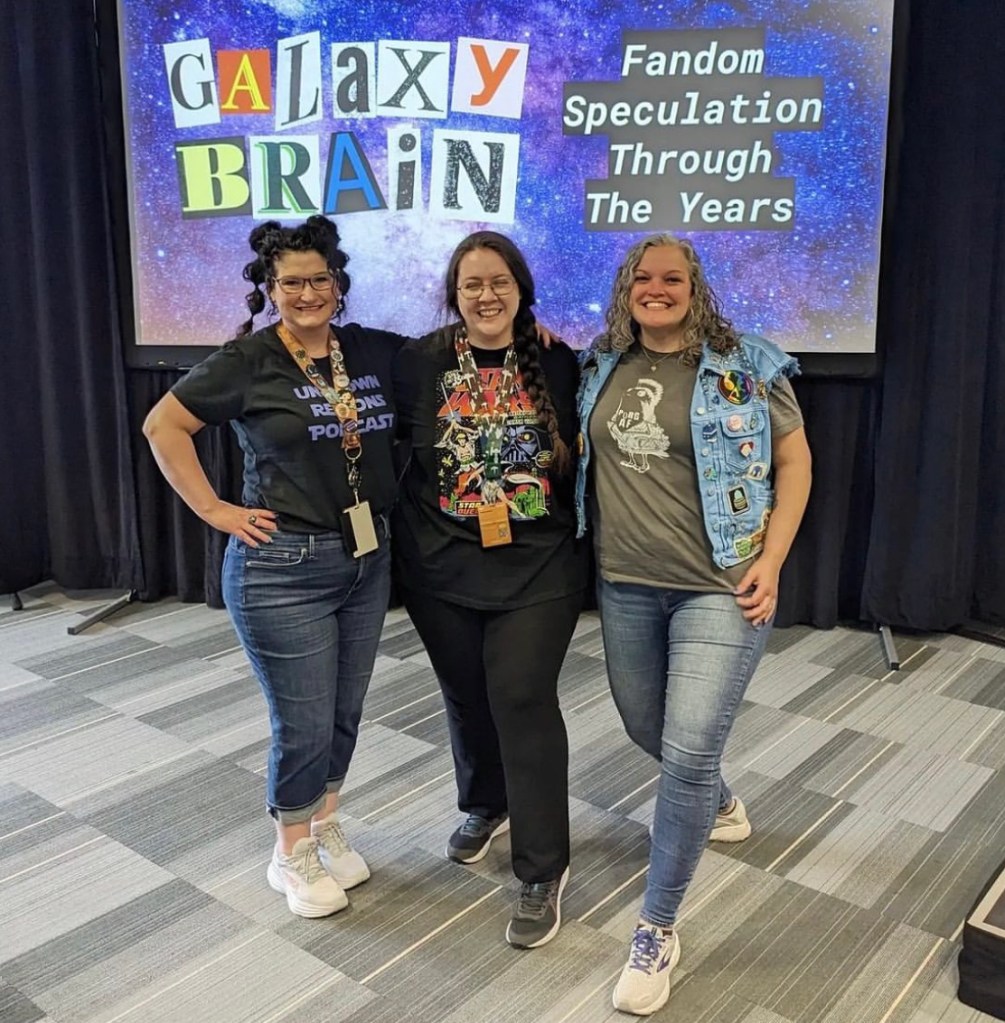
Fan panels and fan presentations at Celebration have a rich history, and (in my personal opinion) they are at their peak of creativity and inventiveness right now. Let’s take a look at when this fan made content first appeared and how it has developed over the years.
Please note: When I am discussing fan panels, I consider that to be any panel that is chosen by The Selectors, whoever they may be, to be put before an audience of fans, hosted by other fans who create their own content. To me, the Collecting Track (which could be considered a group of fan panels) is it’s own unique institution and because it selects it’s own content, I won’t be discussing it in this post.
1999 and the lead up to The Phantom Menace is arguably one of the most prolific times for fan-operated websites. At Celebration I, it has been reported to me that fans did have some type of designated presence. Says R. Lee Brown, previously of the fan site Newsdroid, “Our ‘booth’ was just basically a table where we tried to spread the word about our site.” This concept was more fully fleshed out at CII in 2002, where two rooms of the Indiana Convention Center were set aside for fan clubs. According to the main archived site, “We set aside a special area at Celebration II for qualifying fan groups. In rooms 208 & 209, clubs will display and communicate information about their unique niche in fandom.” This, along with the Collecting Track which has been present since 1999, is what the earliest non-cosplay fan involvement with the event was like.
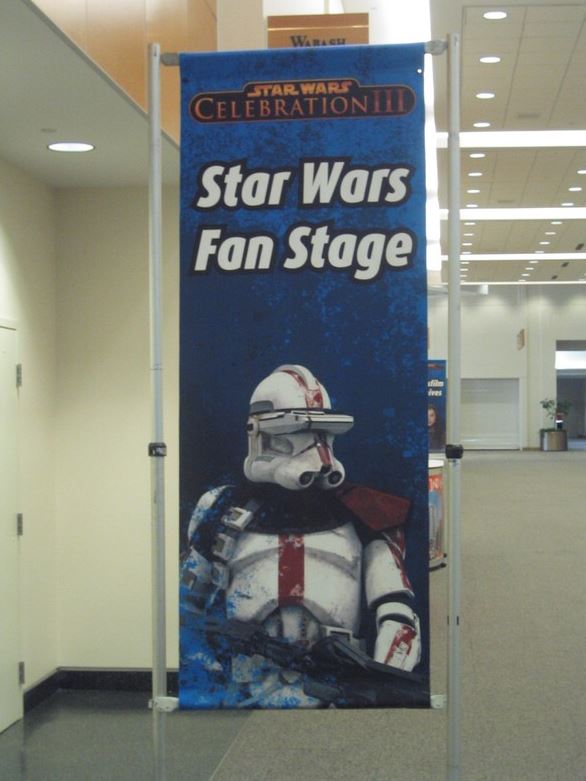
Celebration III in 2005 is the first time we see something on the schedule called “The Fan Stage”. The archived site called for proposals in late 2004, saying, “Have an idea for a program or activity? Do you have a special skill, and are willing to volunteer to share it with other fans (…)?” You could send your proposal via e-mail or snail mail at the time, with an initial proposal deadline of November 11, 2004 later pushed to December 9. A general schedule, archived on the Wayback Machine about two weeks before CIII, shows a block labeled “Star Wars Fan Panels” for each day on this Fan Stage (also labeled Wabash 3).
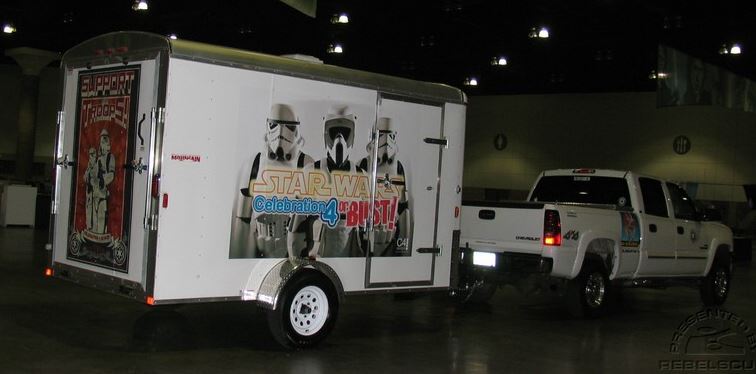
CIV in 2007 had a Fan Stage as well, with programming focused mostly on costuming (501st, Rebel Legion), droid building, and prop building. Some consumer panels were also held there, like Hasbro, Sideshow, and Kotobukiya, so fans were sharing the space. One very cool sounding panel was called “Celebration IV Or Bust: The Ultimate Star Wars Fan Road Trip” which is described as “Three friends who drove more than 2,100 miles one way to get to Celebration IV share their Road Trip adventures!”
Between CIV and CV were the first Celebrations in Europe and Japan. Europe 2007 had similar panels to CIV, with the focus being on costuming and droid building. Japan 2008 had a stage called the “Fan & Collectors’ Stage”, merging together some costuming panels with the usual Collecting Track hits.
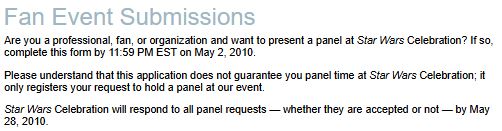
CV in August of 2010 was calling for fan submissions as early as February, with a selection of topics to choose from including “Librarians”, “Swag”, “Sith”, “Fine Art”, “Legal” (??), and “Monsters”, among many others. When looking at the schedule, you can see that the Fan Stage still focused on panels about droid building, costuming, and trivia, which was the norm, but another panel appeared called “Why We Love the Prequels”. Based on that and the topic selection options, you can tell the concept was starting to evolve.
A trend emerged of a panel about “maximizing” your Celebration experience, held on the first day of the event at CV and CVI. Another trend was on the way in the form of podcasts. A panel called “Inside the ForceCast” was held at CVI, foreshadowing a wave that was not far off.
When Celebration returned to the states after Essen, Germany, we started to see the birth of this modern era of fan content. Anaheim 2015 saw the Podcast Stage become reality, hosting around 20 podcasts throughout the weekend. Click here to see a video from the official Star Wars channel on YouTube talking to a few of the podcast hosts. There was also a Fan Stage and the first appearance of the “Star Wars University” stage. The University Stage in 2015 had panels from authors as well as notable names like John Knoll, mixed with some fan generated content but still mainly more official panels. The Fan Stage remained predominantly costuming and droid building, but the concept was expanding fast with panels on Joseph Campbell and steampunk, amongst a few others.
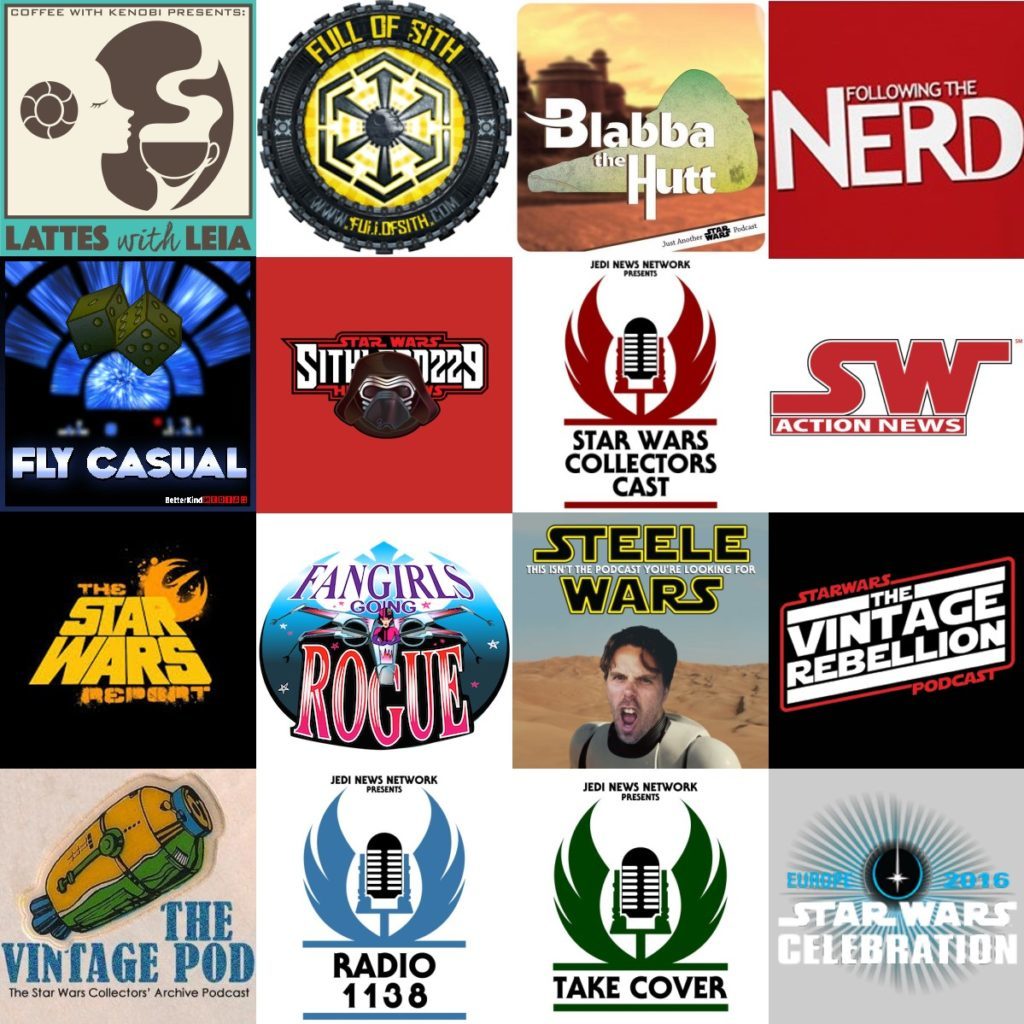
Europe 2016 in London saw the fan and collector stage combined again, but something called the “One Force Stage” kept costuming and podcasts housed. Orlando 2017 mirrored 2015 with a Podcast Stage (21 pods featured), University (still a mix of fanmade content and more officially sanctioned content in 2017), and the Fan Stage. A blurb about the Fan Stage states, “We say that Celebration is ‘By the Fans; For the Fans’, and the programming on the Star Wars Fan Stage presents the very best, the most creative, and the most fun of the many great ideas presented by fans to the Celebration team.” Some highlights on the 2017 Fan Stage schedule include a round table discussion on women in Star Wars, a panel featuring Star Wars bloggers, and an appearance by the Saber Guild.
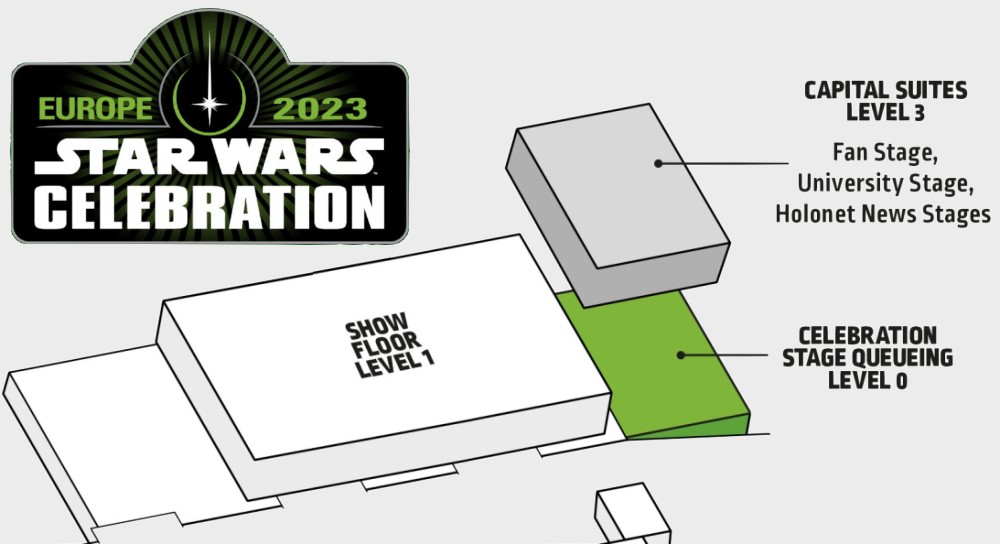
By Chicago in 2019, we were firmly in the current era of Celebration, with podcasts at an all time high and fan panels an expected and anticipated mainstay. One notable change was in London 2023 when the Podcast Stage was renamed Holonet News, with what I’m assuming was the goal of painting the podcasts as a way to get the news about what was going on around the event. Also in London, the Fan Stage, University Stage, and Holonet News Stage were all located in the same area of the convention, as can be seen above. Japan in 2025 kept the Holonet News stage going, as well as a Fan Stage and University Stage.
Panels on these stages now range in content more than ever, still including cosplay content but also touching on behind the scenes themes, fun and wacky parts of Star Wars history, highlighting unique cultures within the fandom, real world science and history merging with Star Wars, mythology, and so much more.
Fan-produced content remains one of the best parts of every Star Wars Celebration. Seeing how it has grown over the years is also a representation of how fandom has grown, how community has continued to be built, and how Celebration remains one of the best places for fans to share their interests and fandom creativity with each other. If you’re at Celebration and find that you’re not sure where to go next, hit up those smaller fan stages. The odds are you will meet people, learn something new, and get inspired.

